Buy onlinejournal.eu ?
We are moving the project
onlinejournal.eu .
Are you interested in purchasing the domain
onlinejournal.eu ?
domain@kv-gmbh.de · 0541-91531010
Buy onlinejournal.eu ?
What are atavisms in biology?
Atavisms in biology refer to the reappearance of ancestral traits in an organism that have not been seen in the species for many generations. These traits are typically considered to be evolutionary throwbacks, as they were present in the species' ancestors but have been lost over time. Atavisms can manifest as physical characteristics, behaviors, or genetic traits that were once common in the species' evolutionary history. They are often seen as evidence of the genetic legacy of an organism's evolutionary past. **
Which blogging platform?
The best blogging platform for you depends on your specific needs and goals. If you're looking for a user-friendly and customizable platform, WordPress is a popular choice. If you want a simple and straightforward platform, Blogger may be a good option. For those interested in a more visual and design-focused platform, Squarespace or Wix could be a good fit. Ultimately, it's important to consider your technical skills, design preferences, and long-term goals when choosing a blogging platform. **

Similar search terms for Atavisms
Top-Angebote
Products related to Atavisms:
-
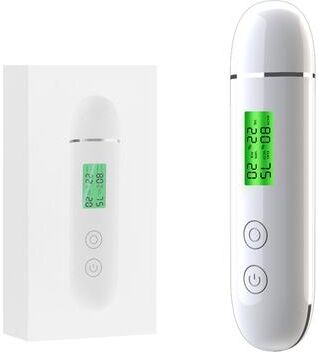
StayWell LCD Digital Skin Detector Pen Face Skin Tester, Smart Water Oil Fluorescent Content Facial Moisture Analyzer Skin Care LCD Digital Skin Detector Pen Face Skin Tester, Smart Water Oil Fluorescent Content Facial Moisture Analyzer Skin CareUnlock Your Best Skin Ever Experience precision skin analysis at home with the bold, clear LCD Digital Skin Detector Pen. No more guessingthis smart device measures moisture, oil balance, elasticity, and even detects harmful fluorescent agents in...44,97 $*Shipping: 0,00 $Secure redirect to the provider
-
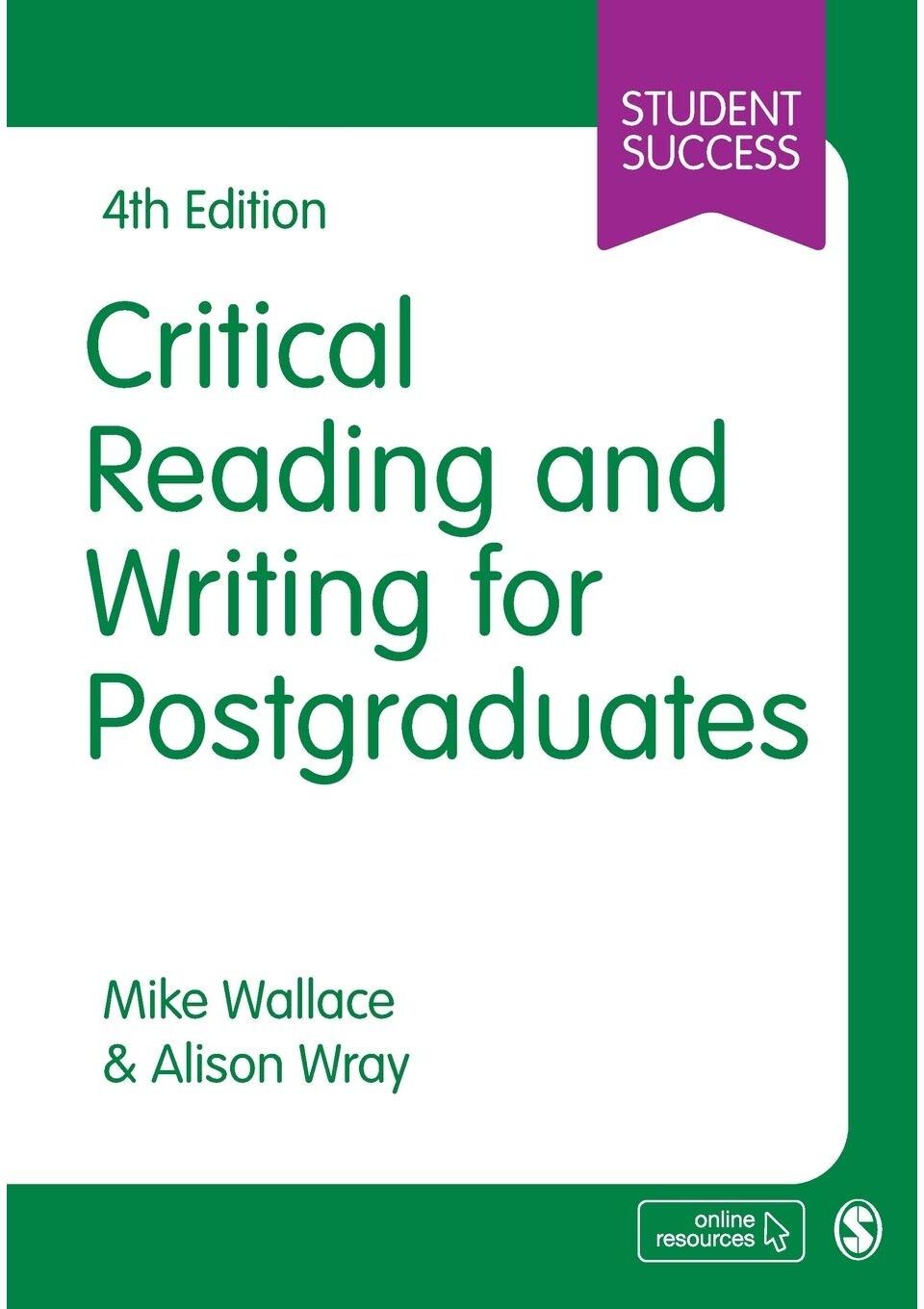
SAGE Publications Critical Reading and Writing for Postgraduates (Student Success)Reading critically, and writing using critical techniques, are crucial skills you need to apply to your academic work. If you need to engage with published (or unpublished) literature such as essays, dissertations or theses, research papers or oral presentations, this proven guide helps you develop a reflective and advanced critical approach to your research and writing. New to this edition: Two new chapters on basic and advanced writing skills More advice on self-bias and perception Updates and additional examples throughout Updated online resources providing additional support. A Companion Website provides additional resources to help you apply the critical techniques you learn. From templates and checklists, access to SAGE journal articles and additional case studies, these free resources will make sure you successfully master advanced critical skills.18,95 £*Shipping: 2,99 £Secure redirect to the provider
-
Are atavisms and specialization the same thing?
No, atavisms and specialization are not the same thing. Atavisms refer to the reappearance of a trait or characteristic that was present in a distant ancestor but has been absent in intermediate generations. Specialization, on the other hand, refers to the adaptation of a species to a specific niche or environment, resulting in the development of specialized traits or characteristics that enhance survival and reproduction in that particular environment. While atavisms involve the reemergence of ancestral traits, specialization involves the development of new traits in response to specific environmental pressures. **
-
What is the difference between rudiments and atavisms?
Rudiments are primitive or undeveloped structures or behaviors that are remnants of an earlier stage of evolution. They are often vestigial and no longer serve a functional purpose. Atavisms, on the other hand, are the reappearance of ancestral traits that have been lost in the evolutionary process. Atavisms are the result of genetic mutations or variations that cause the expression of ancestral characteristics in an individual. In summary, rudiments are remnants of past evolutionary stages, while atavisms are the re-emergence of ancestral traits. **
-
Why are rudiments and atavisms evidence for evolution?
Rudiments and atavisms are evidence for evolution because they demonstrate the presence of ancestral traits in modern organisms. Rudiments are underdeveloped or vestigial structures that were more functional in the ancestors of a species, but have become reduced in size or function over time. Atavisms are the reappearance of ancestral traits that have been lost in a species' evolutionary history. Both of these phenomena provide evidence for evolution by showing that organisms have changed over time, and that they share a common ancestry with their evolutionary relatives. **
-
Is stronger evidence of evolution rudimentary structures or atavisms?
Stronger evidence of evolution would likely be atavisms rather than rudimentary structures. Atavisms are traits that reappear in a species after being lost in its evolutionary history, providing a direct link to the species' ancestors and demonstrating the process of evolution. On the other hand, rudimentary structures are remnants of once-functional features that have lost their original purpose over time, which can also provide evidence of evolution but may not be as compelling as atavisms in terms of demonstrating evolutionary processes. **


Is a stronger evidence of evolution rudiments or atavisms?
A stronger evidence of evolution would be rudiments rather than atavisms. Rudiments are structures or traits that have lost their original function over time but are still present in an organism, providing evidence of a shared evolutionary history. On the other hand, atavisms are traits that reappear in a species after being absent for generations, which can be seen as a regression rather than progression in evolution. Therefore, rudiments are a more reliable indicator of evolution as they demonstrate gradual changes and adaptations over time. **
What is the significance of rudiments and atavisms for the theory of evolution?
Rudiments and atavisms are significant for the theory of evolution because they provide evidence for the process of evolution. Rudiments are structures or organs that have lost their original function over time, indicating a change in the organism's environment or behavior. Atavisms are the reappearance of ancestral traits in a modern organism, suggesting that these traits were once advantageous in the organism's evolutionary history. Both rudiments and atavisms support the idea that organisms have evolved over time, and provide valuable insights into the mechanisms and patterns of evolution. **
Top-Angebote
Products related to Atavisms:
-
Uplift Essentials Vintage Fashion Poses Background Journaling Sheets Vintage Fashion Poses Background Journaling SheetsStep into the world of highfashion history with a collection designed to add a sophisticated, editorial edge to your creative projects. These fashion dress style background sheets feature stunning vintage illustrations of classic poses and timeless...31,97 $*Shipping: 0,00 $Secure redirect to the provider
-
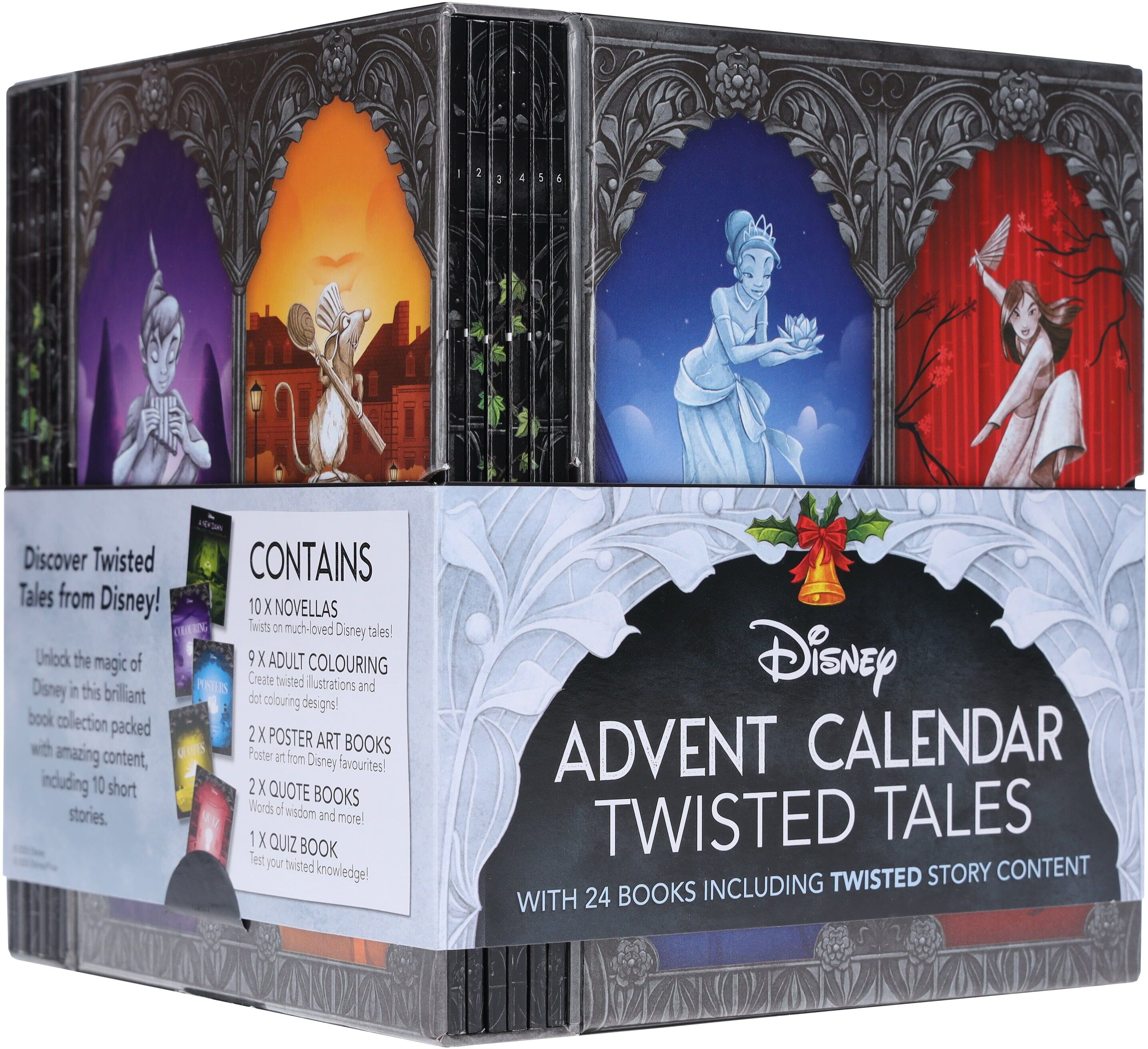
Disney: Advent Calendar Twisted Tales With 24 Books Box Set Including Twisted Story Content - Ages 12-16 - Paperback Autumn PublishingDiscover Twisted Tales from Disney this Christmas! Titles in this Set: An Expert In Gibberish - A Twisted Tale Novella 2. Colouring - Book One 3. A New Dawn - A Twisted Tale Novella 4. Posters - Book One 5. Colouring - Book Two 6. A First Mission - A Twisted Tale Novella 7. Colouring - Book Three 8. Dust To Dust - A Twisted Tale Novella 9. Quotes - Book One 10. Colouring - Book Four 11. Best of Friends - A Twisted Tale Novella 12. Dot Colouring - Book One 13. Et Voila - A Twisted Tale Novella 14. Colouring - Book Five 15. Gonna Take You There - A Twisted Tale Novella 16. Posters - Book Two 17. Human Again - A Twisted Tale Novella 18. Colouring - Book Six 19. Quiz - A Collection Of Mind Twisting Questions 20. Lady Saves The Tramp - A Twisted Tale Novella 21. Dot Colouring - Book Two 22. Quotes - Book Two 23. Colouring - Book Seven 24. The Rose And The Thorns - A Twisted Tale Novella Feature Specification Full Title Disney: Twisted Tales Advent Calendar (24 Books) Series Twisted Tales (Reimagined Disney Classics) Author Various (Jen Calonita, Elizabeth Lim, Liz Braswell) Format 24 Paperback Books in a Large Folder Case Target Age Young Adult (Ages 12 to 16) Themes Fantasy, Dark Retellings, Magic, Heroism Key Stories Aladdin, Little Mermaid, Beauty and the Beast Publisher Autumn Publishing (Bonnier Books) Unlock the magic of Disney in this Advent Calendar packed with exclusive content, including 10 brand-new short stories. 10 x Novellas - Twists on much-loved disney tales! 9 x Adult Colouring - Create twisted illustrations and dot colouring designs! 2 x Poster Art Books - Poster art from Disney favourites! 2 x Quote Books - Words of wisdom and more! 1 x Quiz Book - Test your twisted knowledge! { "@context": "https://schema.org/", "@type": "Product", "name": "Disney Twisted Tales Advent Calendar: 24 Book YA Collection", "image": "https://www.books2door.com/cdn/shop/products/twistedtalesadvent.jpg", "description": "Countdown to Christmas with 24 reimagined Disney stories. This YA advent calendar is perfect for fans of the Twisted Tales series aged 12-16.", "brand": { "@type": "Brand", "name": "Disney" }, "offers": { "@type": "Offer", "priceCurrency": "GBP", "price": "19.99", "availability": "https://schema.org/InStock", "url": "https://www.books2door.com/products/disney-advent-calendar-twisted-tales-with-24-books-box-set-including-twisted-story-content-ages-12-16-paperback" }, "mainEntity": { "@type": "FAQPage", "mainEntity": [ { "@type": "Question", "name": "Is this advent calendar suitable for teenagers?", "acceptedAnswer": { "@type": "Answer", "text": "Yes, this edition of the Disney advent calendar is specifically designed for the Young Adult market, aged 12 to 16, featuring more mature Twisted Tales content." } }, { "@type": "Question", "name": "How many books are in the Disney Twisted Tales advent calendar?", "acceptedAnswer": { "@type": "Answer", "text": "There are 24 individual paperback books included, one for each day of the December...21,98 £*Shipping: 2,99 £Secure redirect to the provider
-
StayWell LCD Digital Skin Detector Pen Face Skin Tester, Smart Water Oil Fluorescent Content Facial Moisture Analyzer Skin Care LCD Digital Skin Detector Pen Face Skin Tester, Smart Water Oil Fluorescent Content Facial Moisture Analyzer Skin CareUnlock Your Best Skin Ever Experience precision skin analysis at home with the bold, clear LCD Digital Skin Detector Pen. No more guessingthis smart device measures moisture, oil balance, elasticity, and even detects harmful fluorescent agents in...44,97 $*Shipping: 0,00 $Secure redirect to the provider
-
What are atavisms in biology?
Atavisms in biology refer to the reappearance of ancestral traits in an organism that have not been seen in the species for many generations. These traits are typically considered to be evolutionary throwbacks, as they were present in the species' ancestors but have been lost over time. Atavisms can manifest as physical characteristics, behaviors, or genetic traits that were once common in the species' evolutionary history. They are often seen as evidence of the genetic legacy of an organism's evolutionary past. **
-
Which blogging platform?
The best blogging platform for you depends on your specific needs and goals. If you're looking for a user-friendly and customizable platform, WordPress is a popular choice. If you want a simple and straightforward platform, Blogger may be a good option. For those interested in a more visual and design-focused platform, Squarespace or Wix could be a good fit. Ultimately, it's important to consider your technical skills, design preferences, and long-term goals when choosing a blogging platform. **
-
Are atavisms and specialization the same thing?
No, atavisms and specialization are not the same thing. Atavisms refer to the reappearance of a trait or characteristic that was present in a distant ancestor but has been absent in intermediate generations. Specialization, on the other hand, refers to the adaptation of a species to a specific niche or environment, resulting in the development of specialized traits or characteristics that enhance survival and reproduction in that particular environment. While atavisms involve the reemergence of ancestral traits, specialization involves the development of new traits in response to specific environmental pressures. **
-
What is the difference between rudiments and atavisms?
Rudiments are primitive or undeveloped structures or behaviors that are remnants of an earlier stage of evolution. They are often vestigial and no longer serve a functional purpose. Atavisms, on the other hand, are the reappearance of ancestral traits that have been lost in the evolutionary process. Atavisms are the result of genetic mutations or variations that cause the expression of ancestral characteristics in an individual. In summary, rudiments are remnants of past evolutionary stages, while atavisms are the re-emergence of ancestral traits. **
Similar search terms for Atavisms
-
SAGE Publications Critical Reading and Writing for Postgraduates (Student Success)Reading critically, and writing using critical techniques, are crucial skills you need to apply to your academic work. If you need to engage with published (or unpublished) literature such as essays, dissertations or theses, research papers or oral presentations, this proven guide helps you develop a reflective and advanced critical approach to your research and writing. New to this edition: Two new chapters on basic and advanced writing skills More advice on self-bias and perception Updates and additional examples throughout Updated online resources providing additional support. A Companion Website provides additional resources to help you apply the critical techniques you learn. From templates and checklists, access to SAGE journal articles and additional case studies, these free resources will make sure you successfully master advanced critical skills.18,95 £*Shipping: 2,99 £Secure redirect to the provider
-
Taylor Pro Large Platform 10kg Digital Dual Kitchen ScaleThe stylish Taylor Pro Large Platform Digital Dual 10kg Kitchen Scale allows you to accurately weigh bulk quantities of wet and dry ingredients thanks to its large stainless steel platform which measures 24cm x 22cm. A handy Tare function allows you to weigh and add ingredients directly into a mixing bowl. The scales feature a large and easy to read digital display that can be switched between ounces, pounds, mililitres, fluid ounces and kilos using the Unit button, up to a maximum of 10kg, 22lb or 10 litres in 1 gram increments. Powered by 3x AAA batteries (not supplied), the Taylor Pro Large Platform Digital Dual Kitchen Scale measures 25cm x 24cm x 1.5cm.31,19 £*Shipping: 3,50 £Secure redirect to the provider
-
GlowBake Advanced Skin Tester, Face Skin Moisture & Oil Content Analyzer Advanced Skin Tester, Face Skin Moisture & Oil Content AnalyzerDiscover your skins true condition with our advanced Skin Tester a compact yet powerful face skin analyzer designed to measure moisture, oil content, skin water, cheek elastic quality, and even estimate skin age in seconds. Ideal for home use or pro...27,97 $*Shipping: 0,00 $Secure redirect to the provider
-
Why are rudiments and atavisms evidence for evolution?
Rudiments and atavisms are evidence for evolution because they demonstrate the presence of ancestral traits in modern organisms. Rudiments are underdeveloped or vestigial structures that were more functional in the ancestors of a species, but have become reduced in size or function over time. Atavisms are the reappearance of ancestral traits that have been lost in a species' evolutionary history. Both of these phenomena provide evidence for evolution by showing that organisms have changed over time, and that they share a common ancestry with their evolutionary relatives. **
-
Is stronger evidence of evolution rudimentary structures or atavisms?
Stronger evidence of evolution would likely be atavisms rather than rudimentary structures. Atavisms are traits that reappear in a species after being lost in its evolutionary history, providing a direct link to the species' ancestors and demonstrating the process of evolution. On the other hand, rudimentary structures are remnants of once-functional features that have lost their original purpose over time, which can also provide evidence of evolution but may not be as compelling as atavisms in terms of demonstrating evolutionary processes. **
-
Is a stronger evidence of evolution rudiments or atavisms?
A stronger evidence of evolution would be rudiments rather than atavisms. Rudiments are structures or traits that have lost their original function over time but are still present in an organism, providing evidence of a shared evolutionary history. On the other hand, atavisms are traits that reappear in a species after being absent for generations, which can be seen as a regression rather than progression in evolution. Therefore, rudiments are a more reliable indicator of evolution as they demonstrate gradual changes and adaptations over time. **
-
What is the significance of rudiments and atavisms for the theory of evolution?
Rudiments and atavisms are significant for the theory of evolution because they provide evidence for the process of evolution. Rudiments are structures or organs that have lost their original function over time, indicating a change in the organism's environment or behavior. Atavisms are the reappearance of ancestral traits in a modern organism, suggesting that these traits were once advantageous in the organism's evolutionary history. Both rudiments and atavisms support the idea that organisms have evolved over time, and provide valuable insights into the mechanisms and patterns of evolution. **
* All prices are inclusive of VAT and, if applicable, plus shipping costs. The offer information is based on the details provided by the respective shop and is updated through automated processes. Real-time updates do not occur, so deviations can occur in individual cases. ** Note: Parts of this content were created by AI.